
Your State Decides What a First Responder Gets to Buy a Home. Here's the Number.
Connecticut's new $25,000 forgivable aid for police, firefighters and EMS starts November 16 — and four other states help in four very different ways.
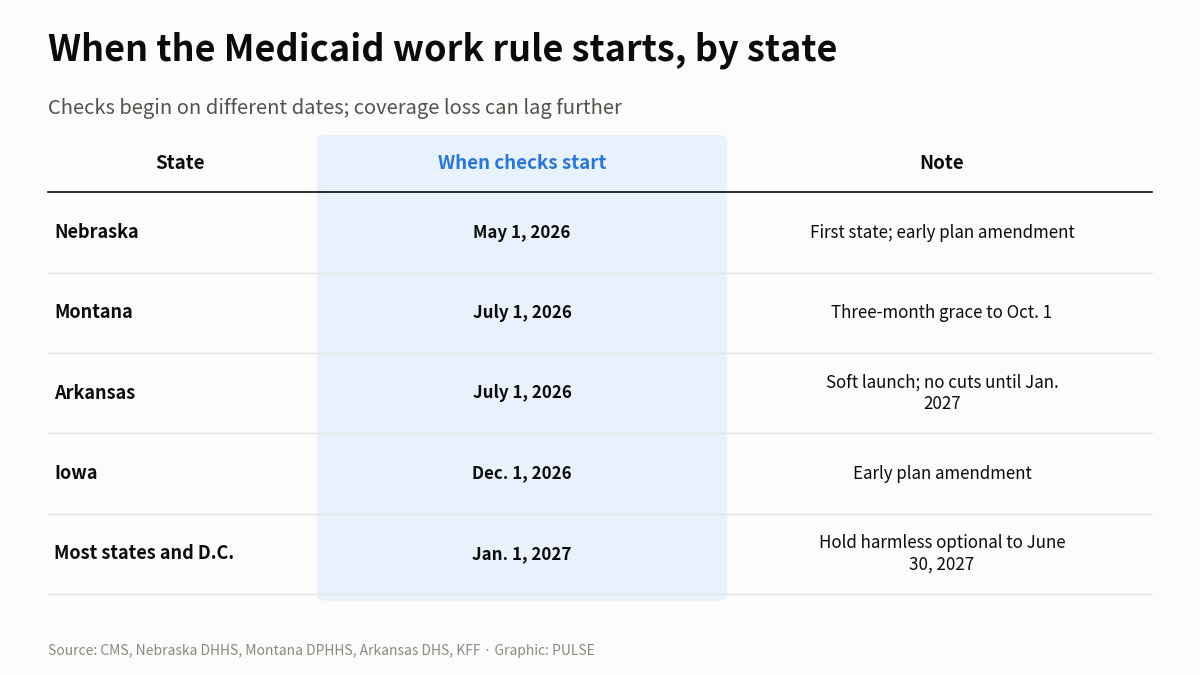
Your State May Not Enforce Medicaid Work Rules on Jan. 1 — the Date You Face Varies
A federal work requirement starts January 1, 2027, but a new optional transition period and early-adopter states mean the deadline that reaches you depends on where you live.

Your State's Home Energy Rebate May Not Be Open — and Gas-to-Electric No Longer Counts
Oregon just got its $113 million cleared, but the money won't reach households until 2027, and a 2026 federal rule now blocks the most popular swap.

Texas Got 183 Red Snapper Days This Year. Your Gulf State Set Its Own Number.
Under state management, 2026 federal-waters red snapper seasons ran from a stop-and-start summer in Mississippi to nearly six months in Texas, and the gap is built into how each state counts its catch.
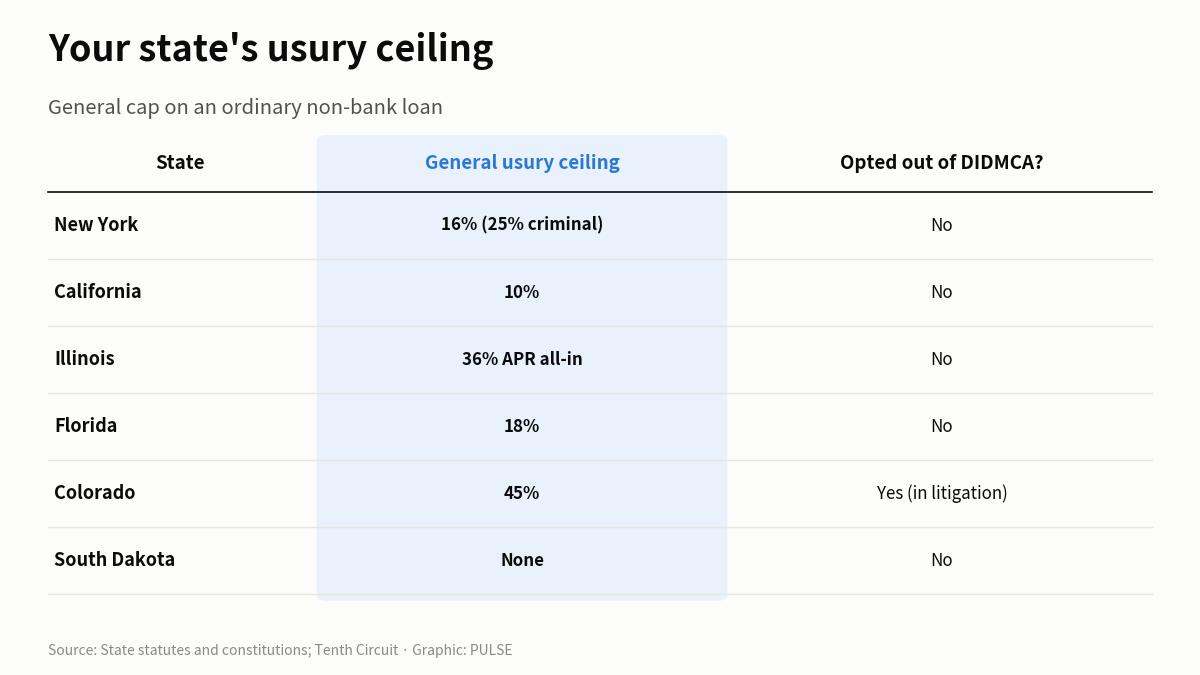
The Highest Rate a Lender Can Charge You Is a State Number — and a House Bill Could Erase It
A federal preemption bill, H.R. 7866, would shrink the one tool states use to apply their usury caps to out-of-state banks.

Your State Decides How Much of Your Military Pension Is Tax-Free. Here's the Number.
California just stopped fully taxing military retirement pay, and the exempt amount still swings from zero to everything depending on where you live.

Five States Now Pay You to Make or Buy Green Jet Fuel. Here's What Each Is Worth.
Washington's newly triggered credit joins four other state programs that range from about $0.75 to $2 a gallon, with very different rules about who collects.

Your 2027 Workers' Comp Benchmark Is Set in Most States — and It's Mostly Falling
The loss costs behind your premium are dropping in Oklahoma, Connecticut, New Hampshire and more, holding flat in Missouri, and rising in California.

Medicaid Can Start Before Prison Release — but Your State Sets the Clock at 60 or 90 Days
A growing set of federal waivers lets Medicaid pay for care in the final weeks of incarceration, and the size of that window now depends heavily on which state you live in.

Gas Taxes Are Fading. Five States Are Moving to Charge You by the Mile Instead.
Oregon's first fuel-tax revenue drop in years is pushing states toward per-mile and EV fees — here is what each one actually costs.

Your 2027 Standard Deduction Goes Up About 3% — Here's the Figure for Your Filing Status
The IRS reset nearly 70 federal tax provisions for 2027; most moved roughly with inflation, and here's how each number compares with this year's.

Your Block's Tax Status May Flip on Jan. 1: The 2027 Opportunity Zone Map Is Set
Treasury designated 6,576 census tracts as new Opportunity Zones effective January 1, 2027, and the state-by-state shares have shifted from the 2018 map.

SNAP's November Work Rules Have Landed — Whether They Reach You Depends on Your County
The same federal time limit now applies in all 50 states, but a shrinking list of waived counties and a shorter exemption list decide who actually loses benefits.

The Gummy Bear Is Off the Legal Shelf: How Five States Now Treat Candy-Shaped THC
Oklahoma's new shape ban and California's seizures show how far the rules on candy-like THC, hemp, and kratom products diverge by state.

After the Federal Boost Ended, Your State Decides What 2027 Premiums Really Cost
Five states show how far apart the help is: some write a second check, one just changed the website, and sticker prices are up double digits almost everywhere.

The Rural Health Funding Numbers Are Being Compared Wrong — Here's Your State's Real Share
California's $233 million and West Virginia's $19 million come from the same federal program, but they do not measure the same thing.

Your health insurance deadline depends on where you live: 2027 sign-up dates, state by state
Final deadlines run from December 15 in Idaho to January 31 in California, and the date that protects January coverage is often earlier than the one you've heard.