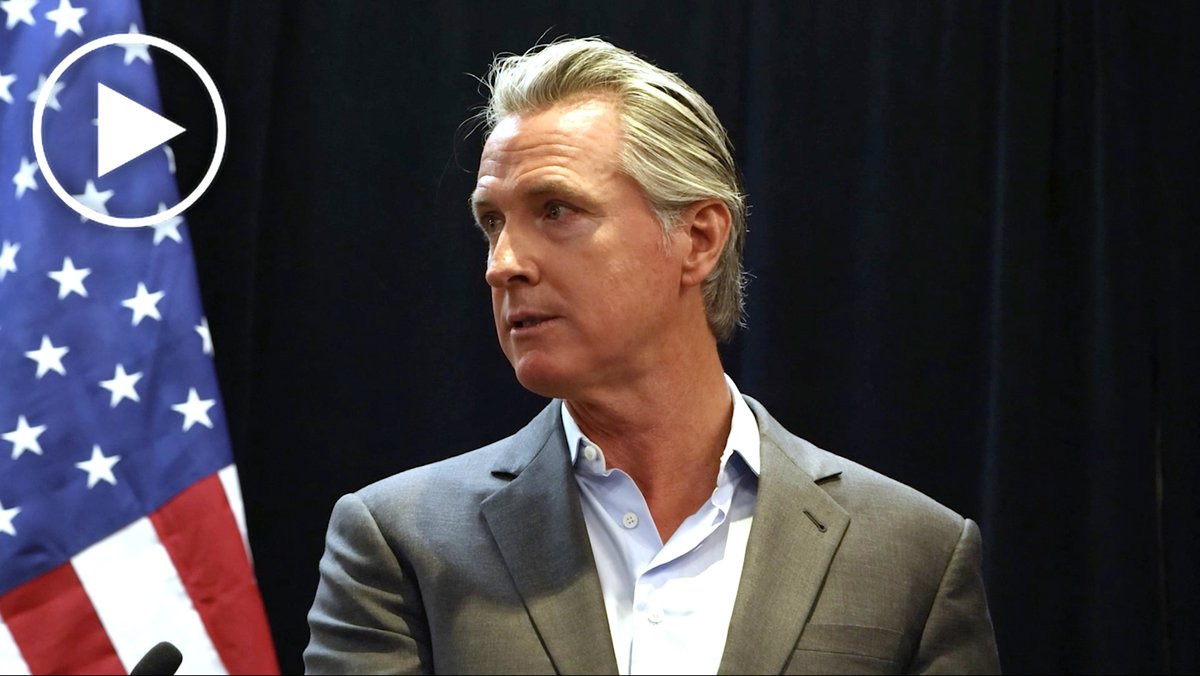
California's CARE Act, which launched statewide in December 2024, has connected nearly 12,000 people to mental health services, Governor Gavin Newsom said Monday at a state convening. The program has filed 6,531 petitions for those with severe mental illness across 56 counties since statewide rollout, according to the governor's office.
CARE (Community Assistance, Recovery and Empowerment) allows family members, service providers, and other officials to petition for someone to receive mental health support without requiring a court order. Those enrolled can access housing, treatment, and medication to address behavioral health challenges.
Results show measurable impact. Nearly 1,800 people now have a CARE agreement or plan — a 250% increase in one year. Among those who came into the program unhoused, nearly half are now sheltered or housed. The share of CARE participants living in housing rose from 53% to 71% between their initial petition and the most recent reporting month.
The announcement comes as California reported homelessness dropping for the second consecutive year, with unsheltered homelessness down 13% since 2024. The state has awarded $6.1 billion in behavioral health infrastructure funding to support 535 new facilities, 9,570 beds, and 44,863 treatment slots statewide.
"Not everyone needs a court, but everyone deserves to be served," Newsom said in a statement. "The progress we're seeing across the state is a testament to the commitment of CARE providers, and proof that this new avenue of care is reaching people who may not have been reached before."
Ten counties initially had petition-filing rates below the statewide average and received intensive technical assistance. All ten have since improved, with most now exceeding the statewide average of 6.2 petitions per 100,000 people, according to the governor's office. Fresno County doubled and Kern County tripled its petition numbers compared to the previous year.